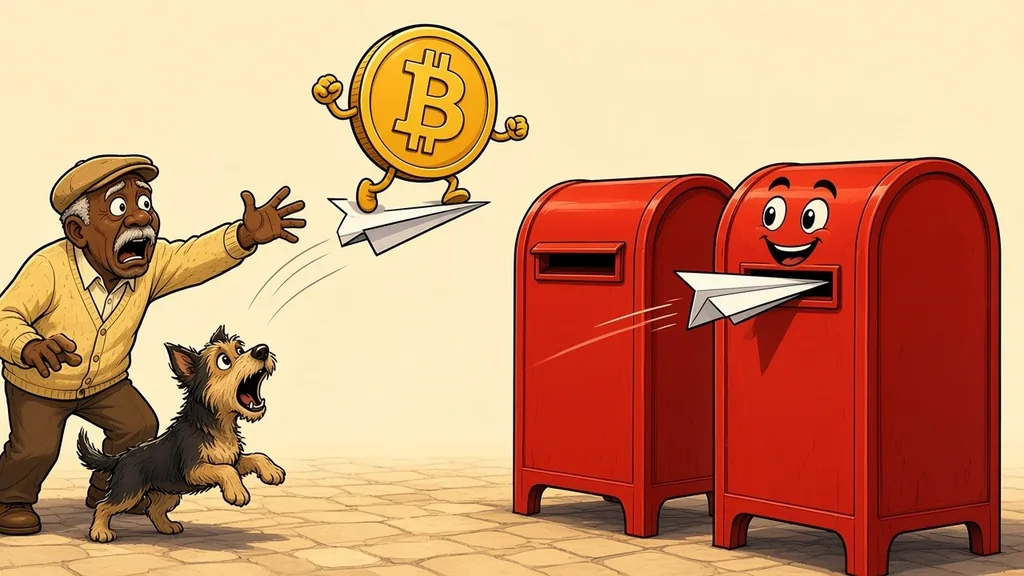

Short answer: the crypto scams to avoid in 2026 are fake investment platforms sold through online relationships, impersonators posing as exchange support or government agents, crypto ATM payment demands, phishing sites and wallet drainers, address poisoning, AI deepfake giveaways, task job scams and recovery scams that target people who already lost money. Nearly all of them share the same few red flags. Learn those and you can spot a scam you have never seen before.
This guide covers each scam in plain English and gives you a simple routine to stop it.
How big is the crypto scam problem in 2026?
Bigger than ever. These figures come from the newest full-year reports, published in 2026 and covering 2025.
| Source | What it measured | 2025 figure |
|---|---|---|
| FBI IC3 2025 report | Reported losses in complaints involving crypto | $11.366 billion from 181,565 complaints |
| FBI IC3 2025 report | Crypto investment fraud | $7.228 billion from 61,559 complaints |
| FBI IC3 2025 report | Recovery scams | About $1.4 billion from 10,516 complaints |
| FBI IC3 kiosk data | Scams using crypto ATMs | Over $388 million, up 58% |
| FTC testimony, March 2026 | All reported fraud (not only crypto) | $15.9 billion, with investment scams about half |
| Chainalysis 2026 Crypto Crime Report | Estimated on-chain scam revenue | About $17 billion projected |
The average reported crypto loss in the FBI data was $62,604 and people 60 and older reported the largest investment fraud losses of any age group. Scams hit careful people with real savings.
The 10 crypto scams to avoid at a glance
| Scam | How it usually starts | The giveaway |
|---|---|---|
| Relationship investment scam | A friendly "wrong number" text or dating match | A new friend coaches you onto a trading app |
| Fake investment platform | An ad or a group chat full of winners | Profits you can see but cannot withdraw |
| Fake support or government agent | A call, text or pop-up about a "problem" | Pressure to move funds to a "safe" wallet |
| Crypto ATM payment demand | A caller says you owe money or face arrest | Being told to pay with cash at a kiosk |
| Phishing site or fake app | A search ad, email or link in a message | A login page you did not navigate to yourself |
| Wallet drainer | A "claim your reward" link or fake meeting app | A signature request you do not understand |
| Address poisoning | A tiny transfer from a look-alike address | An address that only matches at the ends |
| Deepfake giveaway | A video of a famous founder or star | "Send some and get double back" |
| Task or job scam | A recruiter message on WhatsApp or text | You must deposit crypto to unlock earnings |
| Recovery scam | Someone who knows you were scammed | An upfront fee to get your money back |
1. Relationship investment scams
Often called pig butchering. A stranger starts a warm conversation by text, social media or a dating app and builds trust over weeks. Then they offer to show you how they make money with crypto.
The FBI says these scams are largely run by organized crime groups in Southeast Asia, often using trafficking victims as forced labor. That is why the scripts are so polished. The conversation quickly moves to a private messaging app and the "coach" walks you onto a platform they control.
Red flag: someone you have never met in person is guiding your money decisions.
2. Fake investment platforms and apps
This is the back end of most relationship scams and it also runs on its own through ads and group chats. The app looks professional and your balance climbs fast. You may even get one small withdrawal to build trust.
The FBI describes the ending in its 2025 report: when victims try to withdraw they are charged "taxes and fees" as a final grab before the scammers disappear. Some platforms also offer you a loan to invest more.
Red flag: you are asked to pay a fee or tax before you can withdraw. Real platforms deduct fees from your balance. They do not ask you to send new money.
3. Fake exchange support and government impersonators
Someone claims to be from your exchange, your bank, a wallet company or a federal agency. They say your account is hacked or tied to a crime. To "protect" your funds they ask you to move them to a new wallet, share a code or install remote access software.
This is the category Chainalysis says grew more than 1,400% in 2025. In the FBI data, crypto-linked tech and customer support scams cost $1.23 billion and government impersonation cost $281 million.
Red flag: an unexpected contact that creates urgency and asks you to move money. Real support never needs your seed phrase, your 2FA code or your funds moved to a "safe account."
4. Crypto ATM scams
The caller poses as a utility, the police, a bank or a family member in trouble. They tell you to withdraw cash, find a crypto kiosk and scan a QR code they send. The kiosk turns your cash into crypto and sends it straight to them.
The FBI received more than 13,400 complaints about crypto kiosks in 2025 with losses over $388 million. More than half came from people over 50.
Red flag: anyone who demands payment in cash at a crypto ATM. No government agency or legitimate company collects payment that way.
5. Phishing sites and fake apps
Scammers buy search ads, copy your exchange's emails and publish look-alike apps. A fake login page captures your password and 2FA code in real time. A fake wallet app captures your seed phrase.
Red flag: any login page you reached from a link or an ad. Type the address yourself or use a saved bookmark and only download apps from the link on the company's official site.
6. Wallet drainers and permit signatures
A drainer site asks you to "connect" your wallet and sign something. That signature can let a scammer move your funds later.
In July 2026 the Singapore Police Force warned about a version that starts with a fake video meeting link. A pop-up says your software needs an update, the "update" is malware and the scammer then tricks you into approving a permit signature. Police noted this can work even if you use a hardware wallet because the signature itself grants the permission.
Red flag: a signing request you do not fully understand or did not expect. If you cannot read what you are approving, do not approve it.
7. Address poisoning
A scammer creates an address that matches the first and last few characters of one you use. Then they send a tiny transfer so the fake appears in your history. Next time you copy from history you grab their address.
We cover this trap and what to do after a bad send in what happens if you send crypto to the wrong address.
Red flag: an incoming transfer you did not expect from an address that looks almost like one you know.
8. Deepfake giveaways and fake endorsements
A video shows a well-known founder, athlete or TV host promoting a new platform or a "double your Bitcoin" giveaway. The face and voice are fake. Chainalysis found that scams with links to AI tool sellers took in about $3.2 million per operation versus $719,000 for those without. AI makes these scams look more real and scale faster.
Red flag: any offer to send crypto and receive more back. No real person or company does this.
9. Task and job scams
A "recruiter" offers easy remote work such as rating products or clicking tasks. Early tasks pay small amounts. Then you are told to deposit crypto to unlock bigger tasks or release your earnings. The deposits never come back. The FBI counted $288 million in crypto-linked employment scam losses in 2025.
Red flag: a job that requires you to pay to get paid.
10. Recovery scams
This one targets people who already lost money. A "law firm," "blockchain investigator" or even someone claiming to be from the FBI says they can recover your funds for an upfront fee. The FBI notes a rise in complaints about scammers impersonating government officials and recovery firms and has warned about criminals posing as its own IC3.
Red flag: anyone who contacts you about your loss first and wants payment upfront. Filing a report with the IC3 or the FTC is free.
How to spot any crypto scam: 7 red flags
Scams change names every year. The tactics do not. If you see even one of these, stop.
- Contact you did not start. A text, call, DM or pop-up about money.
- Guaranteed or unusually steady returns. The CFTC reminds investors there is no such thing as a risk-free investment.
- Urgency. Act today, your account will be frozen or the bonus ends tonight.
- Secrecy. Do not tell your bank, your family or anyone else.
- A new payment method. Crypto, a crypto ATM, gift cards or wire to a "safe account."
- Requests for secrets. Your seed phrase, private key, password or 2FA code.
- Fees to withdraw. Pay a tax or deposit before you can access your own money.
The CFTC also suggests checking registration with federal or state regulators, how old the website domain is and whether the listed address is a real office.
If you are new and want a simple and safe setup from day one, the free CCF Quick Start Guide walks you through the first steps.
The 60-second check before you send, sign or share
Use this every time money or access is involved.
- Did I start this contact myself through an official app or bookmarked site?
- Have I confirmed the request through a second channel I looked up myself?
- Is anyone rushing me or asking me to keep this quiet?
- Am I being asked for a seed phrase, private key, password or code? (If yes, stop.)
- Have I checked the full address character by character, not just the ends?
- Do I understand exactly what this signature or approval allows?
- Would I be fine if this money never came back?
For the setup side of security, including hardware wallets, seed phrase storage and strong 2FA, read our guide on how to keep crypto safe. Platform risk is a different threat from scams. See what happens if a crypto exchange gets hacked and what happens to your crypto if an exchange goes bankrupt.
How to use AI to check a suspicious offer
AI helps scammers. It can help you too. Paste the message or pitch into an AI assistant and ask it to list scam red flags and what to verify. Treat its answer as a second opinion and confirm the facts at official sources. Our guide to using ChatGPT for crypto research shows how to prompt for this kind of check.
Never paste your seed phrase, keys, passwords or codes into any AI tool.
What to do if you have been scammed
Move fast and in this order.
- Stop sending money. Do not pay any fee, tax or deposit to "unlock" a withdrawal.
- Cut off access. Change passwords, reset 2FA and revoke any wallet approvals you granted. If a device may have malware, move remaining funds from a clean device to a new wallet.
- Save everything. Screenshots, chat logs, website addresses, wallet addresses, transaction IDs, dates and amounts.
- Contact your exchange or bank right away. If funds passed through a regulated platform it may be able to flag or freeze them.
- Report it. File with the FBI at ic3.gov and the FTC at ReportFraud.ftc.gov. Reports help investigators trace and seize funds.
- Ignore anyone offering recovery for a fee. That is scam number 10.
There is some good news. The FBI says its Operation Level Up has notified more than 8,000 victims in real time and reduced losses by more than $500 million. Reporting quickly gives investigators the best chance.
Frequently asked questions
What are the most common crypto scams in 2026?
Relationship investment scams and fake trading platforms lead the list, followed by fake support and government impersonators, crypto ATM demands, phishing, wallet drainers, address poisoning, deepfake giveaways, task scams and recovery scams. Investment fraud causes the largest losses by far according to the FBI.
How can you tell if a crypto investment is a scam?
Watch for unsolicited contact, guaranteed or unusually steady returns, pressure to act fast, a mentor you met online and fees you must pay before you can withdraw. If you cannot withdraw a small amount freely, treat the whole platform as fake.
Will a real exchange ever ask for my seed phrase?
No. No exchange, wallet maker, bank or government agency needs your seed phrase. Anyone who asks for it is trying to take your funds.
Is it a scam if someone tells me to pay at a Bitcoin ATM?
Yes. No government agency, utility or legitimate business demands payment in cash at a crypto ATM. The FBI received more than 13,400 complaints about crypto kiosk scams in 2025.
Can you get money back after a crypto scam?
Sometimes but not often. Recovery is most likely when funds are still on a regulated exchange that can freeze them or when law enforcement seizes them. Report it to IC3 and your exchange right away and never pay a recovery service upfront.
What is a crypto recovery scam?
It is a second scam aimed at people who already lost money. Someone posing as a lawyer, investigator or government official promises to recover your funds for a fee and then disappears with that fee too.
How is AI changing crypto scams?
Scammers use AI to fake voices, faces and messages at scale. Chainalysis found scams with links to AI vendors took in about 4.5 times more money per operation in 2025. Verify any video endorsement or urgent call through a channel you look up yourself.
The bottom line
The crypto scams to avoid all need one thing from you: a send, a signature, a code or an install. Make that moment a hard stop. Check who started the contact, verify through your own channel and never share your seed phrase. If you want structured guidance on investing and trading digital assets the simple way with AI on your side, explore our CCF programs.
Free Quick Start Guide
Want more like this?
Get the free CCF Quick Start Guide. Security and first-buy checklists, chart basics, the 1% risk rule and paper trading in one 42-page PDF.
Education only, not financial advice. We never share your details.
Prefer to talk? Book a call
Written by

CCF · Co-founder
Teaches trading and investing built on risk management, with AI to sharpen each decision. He lives by the power of 1%: small consistent daily effort makes you the person you want to be.

CCF · Co-founder
Has been in crypto since 2017 and helps people learn investing and trading through structured practical education built on risk management so they can decide with confidence and grow steadily.
Educational content only. This article is general education about digital assets, trading and investing. It is not individualized financial, investment, legal or tax advice, and it is not a recommendation to buy or sell any asset. Crypto markets are volatile and involve risk, including loss of principal; leveraged products can lose more than the amount committed. CCF does not guarantee any outcome or return. Do your own research and consider speaking with a licensed professional about your situation.