
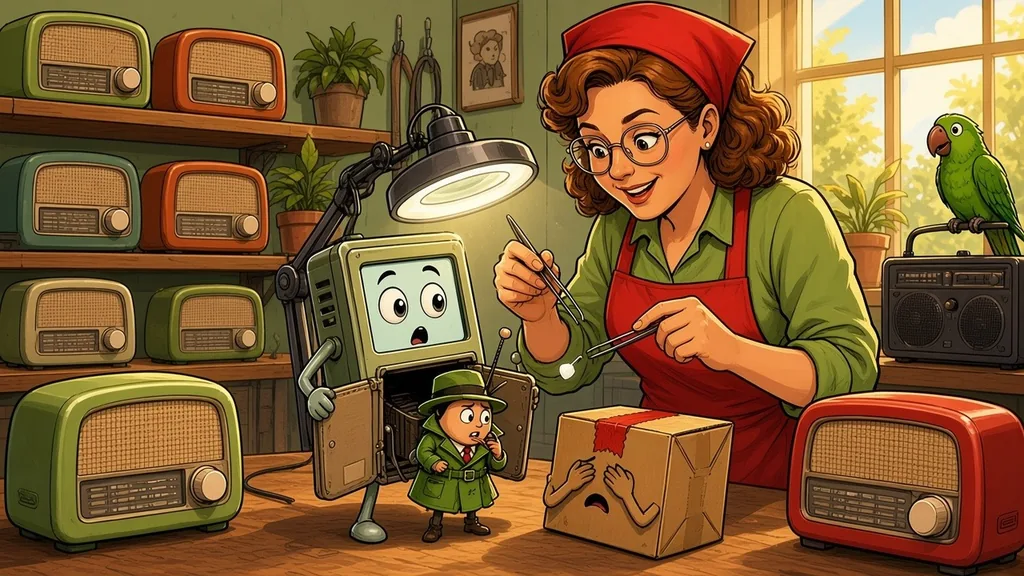
A hardware wallet is supposed to be the safe place for your crypto. In 2026 criminals turned some into spies. They bought real devices, hid a tiny cellular chip inside and sold them through a reseller.
On November 12, 2026, Trezor confirmed three implanted devices and shipped a firmware fix. Ledger confirmed the same kind of attack in October. If you own a hardware wallet or plan to buy one this holiday season, here is how to check yours and what to do if you have doubts.
What happened with the tampered hardware wallets
Ledger went first. In early October users lost funds from Ledger devices sold by CryptoBilis, a reseller operating across Southeast Asia. Ledger's security lab confirmed an implant that captures the 24-word recovery phrase during setup and sends it out over LTE, as The Block reported. Ledger said its chip and operating system were not compromised.
Ledger's official response blamed "a highly organized criminal group." Onchain investigators traced more than $86 million in suspected thefts, according to Decrypt, a figure Ledger has not verified.
Then Trezor. Its November 12 update confirmed implants in three Trezor Safe 5 devices bought from CryptoBilis between August 20 and September 23, 2026. Firmware 2.13.1, released November 11, stops the implants found so far from capturing anything. No Trezor owner has reported lost funds. Trezor also cut its reseller network by about 80%.
How a hardware wallet spy implant works
The implant is an extra circuit board squeezed between the main board and the screen. According to Trezor it only listens. It copies what shows on the display, including the recovery words a new wallet shows you and the words you type to restore one. It also grabs a passphrase if one appears on screen. Then it sends the words over the mobile network to the attackers and keeps retrying until it has a signal.
Researchers cited by BleepingComputer found one version that swapped in a smaller battery to make room and another hidden under the screen. Some tampered units sold for close to half the normal price.
The device still works normally. Your PIN works and transactions sign correctly. Nothing looks wrong until your wallet is drained.
Why the genuine check did not catch it
Most hardware wallets have an authenticity check in their official app. It asks the secure chip to prove it came from the manufacturer. That stops cheap fakes. It does not stop this attack.
Ledger's buying guide says its Genuine Check "cannot detect unauthorized physical modifications to the hardware—such as spying implants—if the original Secure Element remains intact." BitBox says the same about its check. A pass proves the chip is real, not that nobody opened the case. Where you bought the device matters more than any check you run after.
How to check if your crypto hardware wallet was tampered with
| Check | What a red flag looks like | What to do |
|---|---|---|
| Where you bought it | Marketplace seller, reseller, secondhand, gift or a price far below retail | Contact the maker's support with your receipt before setup |
| The packaging | Broken or reapplied seals, glue marks, loose wrap, print that does not match the maker's photos | Do not open further. Photograph it and contact support |
| First power-on | Device already set up, asks for a PIN you did not choose or shows an existing wallet | Stop. Do not add funds |
| What is in the box | A printed recovery phrase or a card with words on it | Never use it. The seller already knows those words |
| The official app check | Authenticity check fails or will not finish | Stop and contact the maker |
| Firmware | Older than the current official release | Update only through the maker's official app |
| Physical feel | Gaps in the case or seams that look forced | Do not use it. Ask support before you open anything |
Do not pry the case open yourself. Trezor warns that forcing it can damage the device and a built-in battery makes it risky. Send photos to support instead.
A 9-point checklist to protect your crypto
- Buy direct from the maker's official website. Type the address yourself.
- Skip secondhand and too-cheap deals. A big discount on a security device is a warning.
- Inspect the box before you open it. Compare seals and print with the maker's photos.
- Let the device create your recovery phrase. Never use words that came in the box or from a seller.
- Run the official app check and keep firmware current through the official app only.
- Write your recovery phrase on paper or metal. Never type it into a phone, computer or website. Our guide on how to keep crypto safe covers setup step by step.
- Test with a small amount first before you move more.
- Treat any device from an affected seller as compromised, even if it looks perfect.
- Ignore replacement or refund offers by email or text. Trezor warns scammers pose as its support.
For a simple safety-first plan before you invest more, our free CCF Quick Start Guide lays out the basics in plain steps.
What to do if you think your wallet is compromised
If you bought from CryptoBilis or doubt your device for any reason, act now.
- Do not set up an unused device. Keep it and contact the maker's support.
- If you already used it, move your funds to a brand-new wallet with a new recovery phrase on a device bought direct. A firmware update does not protect words already captured.
- Treat the old phrase as burned. Never type it anywhere.
- Ask about a replacement. Trezor offers one to anyone who bought from CryptoBilis since March 2026.
- If you lost funds, report it to the FBI at IC3.gov. Ledger asks victims to coordinate with law enforcement before opening the device.
- Ignore recovery offers. Anyone promising to get your crypto back for a fee is likely another scam. See crypto scams to avoid.
Should you still use a hardware wallet?
For most people with meaningful holdings, yes. These attacks hit the supply chain, not the core design. A device bought direct still keeps your keys off your computer, which blocks threats like the fake meeting malware in the FaceStealer crypto scam. Weighing self-custody against an exchange? Read should you move crypto off an exchange and what happens if a crypto exchange gets hacked.
How AI can help
Before you buy, paste the seller's page into an AI assistant and ask it to list red flags. Ask it what a clean first boot looks like for your model, then confirm on the maker's own site. Never paste your recovery phrase into any AI tool.
The bottom line
A tampered crypto hardware wallet looks and works like the real thing. The defense is not a gadget. It is a habit: buy direct, set it up yourself, never trust words you did not create and start over the moment something feels off.
CCF teaches digital assets, from Bitcoin and crypto to tokenized stocks and beyond, with AI as your research partner and security built in from day one. If you want structured help, explore our CCF programs.
Frequently asked questions
Can a crypto hardware wallet be tampered with?
Yes. In 2026 attackers opened genuine Ledger and Trezor devices, added a hidden board that steals recovery phrases and resold them through a reseller in Southeast Asia.
How do I know if my hardware wallet has a spy implant?
Usually not from the outside, and a genuine check may still pass. Your best signals are where you bought it, the packaging and first boot.
Does a genuine check detect implants?
No. Ledger says its Genuine Check cannot detect physical implants if the original secure chip is intact. It proves the chip is real, not that the case was never opened.
Which hardware wallets were affected?
Ledger and Trezor devices sold by CryptoBilis. Trezor confirmed three Safe 5 units bought between August 20 and September 23, 2026.
Does a firmware update fix a tampered wallet?
Trezor's firmware 2.13.1 stops the implants found so far from capturing anything. It cannot protect a recovery phrase captured before the update, so affected owners should still move funds to a new wallet.
What should I do if I bought from CryptoBilis?
Do not set up an unused device. If you used it, move funds to a new wallet with a new recovery phrase on a device bought direct and ask the maker about a replacement.
Are hardware wallets still worth it?
For most people with meaningful holdings, yes. The risk came from the supply chain. A device bought direct and set up by you still keeps keys offline.
This article is general education, not financial, legal or security advice. Facts are current as of November 16, 2026, and investigations are ongoing. Trading and investing in digital assets involves risk including loss of your capital.
Free Quick Start Guide
Want more like this?
Get the free CCF Quick Start Guide. Security and first-buy checklists, chart basics, the 1% risk rule and paper trading in one 42-page PDF.
Education only, not financial advice. We never share your details.
Prefer to talk? Book a call
Written by

CCF · Co-founder
Joshua Montoya is a bestselling author and speaker and an equal co-founder of CCF with Marty Cooney. His story is from fast food to freedom: he left fast food for a digital marketing career in 2010 and has been in crypto since 2017. His mission is the power of 1% and he teaches everyday people to buy, sell, trade and secure digital assets with risk management and independent decisions first.

CCF · Co-founder
Marty Cooney is a bestselling author and speaker and an equal co-founder of CCF with Joshua Montoya. His story is from digital publishing to digital assets: he built a career in online marketing and publishing and has been in crypto since 2017. His motto is show up daily and stack your 1% and he teaches everyday people to buy, sell, trade and secure digital assets with a clear process first.
Educational content only. This article is general education about digital assets, trading and investing. It is not individualized financial, investment, legal or tax advice, and it is not a recommendation to buy or sell any asset. Crypto markets are volatile and involve risk, including loss of principal; leveraged products can lose more than the amount committed. CCF does not guarantee any outcome or return. Do your own research and consider speaking with a licensed professional about your situation.